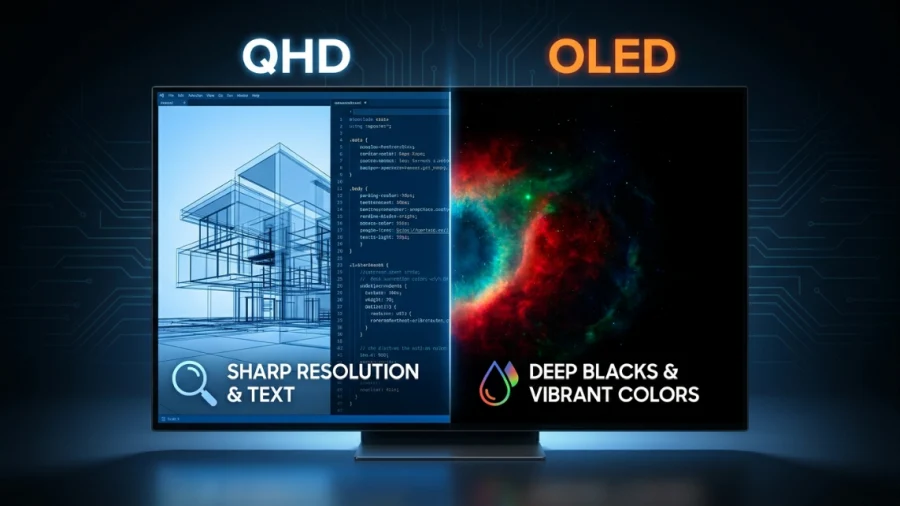
QHD vs. OLED: Resolution, Panel Tech, and What Actually Matters
If you’ve been shopping for a new monitor, TV, or phone, you’ve probably run into both of these terms in product listings and wondered how they stack up against each…
WQHD vs QHD – Understanding the Differences and Choosing the Right Resolution
Screen resolution plays a critical role in defining the clarity and detail of the images displayed on your monitor or device. Higher resolutions pack more pixels into the screen, resulting…

2K Resolution Size: Understanding the Midpoint Between HD and 4K
In today’s world of high-definition displays, understanding screen resolutions has become essential for making informed decisions about your devices. Whether you’re shopping for a new monitor, upgrading your gaming setup,…
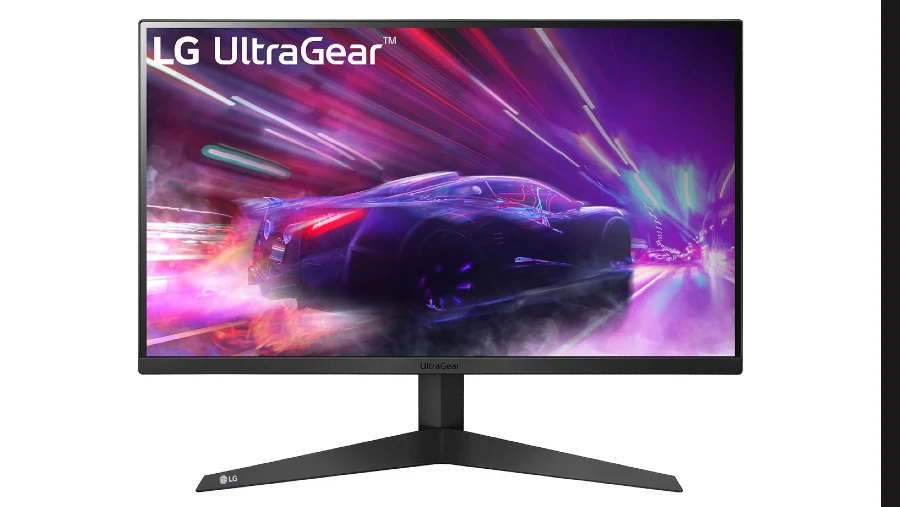
LG UltraGear 24GQ50F-B Review: 1920×1080 165Hz 1ms MBR FreeSync Premium; Essential Features Without Breaking the Bank
Our Rating: 4.3★★★★★ The LG 24GQ50F-B is a budget-friendly gaming monitor that aims to deliver high-performance features at an affordable price. Designed for gamers who need a reliable display without…
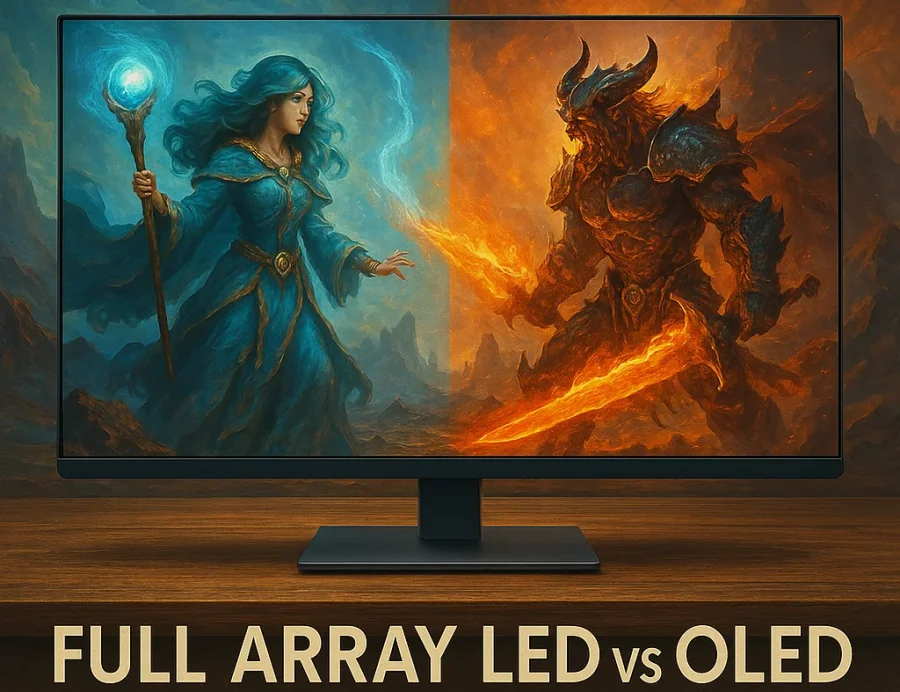
Full Array LED vs OLED: Which Display Technology is Right for You?
Choosing a new television involves navigating a landscape filled with technical jargon. Two dominant premium display technologies you’ll encounter are Full Array LED and OLED. Understanding the fundamental differences between…
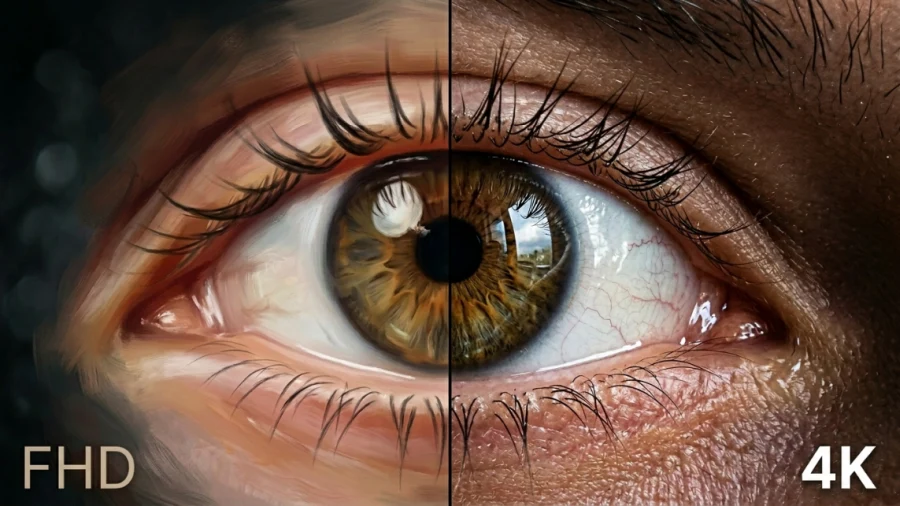
FHD vs 4K: Is the Upgrade Worth It?
Walk into any electronics store and you will be greeted by a wall of televisions and monitors, all promising sharper images and more vivid colors than the one next to…
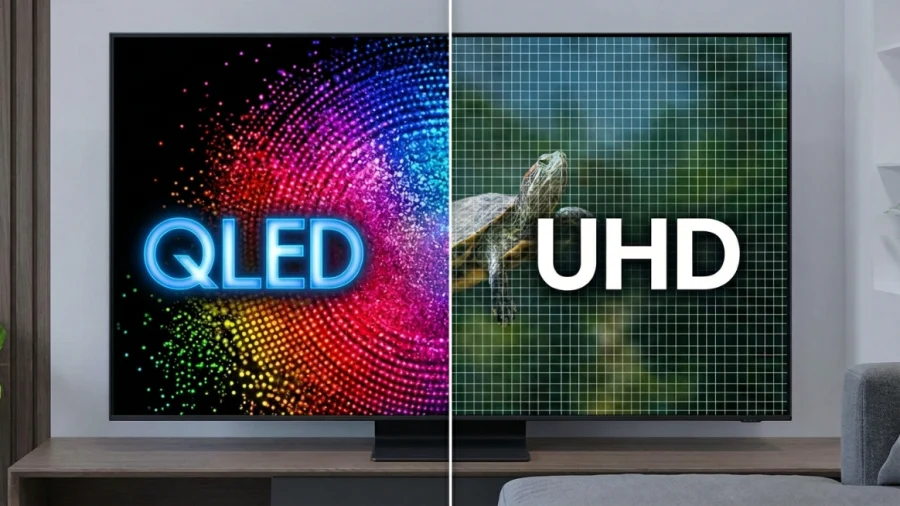
QLED vs UHD: What’s the Difference and Which One Actually Matters?
Walk into any electronics store and you’ll be hit with a wall of acronyms. QLED. UHD. OLED. NEO QLED. 4K. HDR. It can feel like TV manufacturers are deliberately trying…
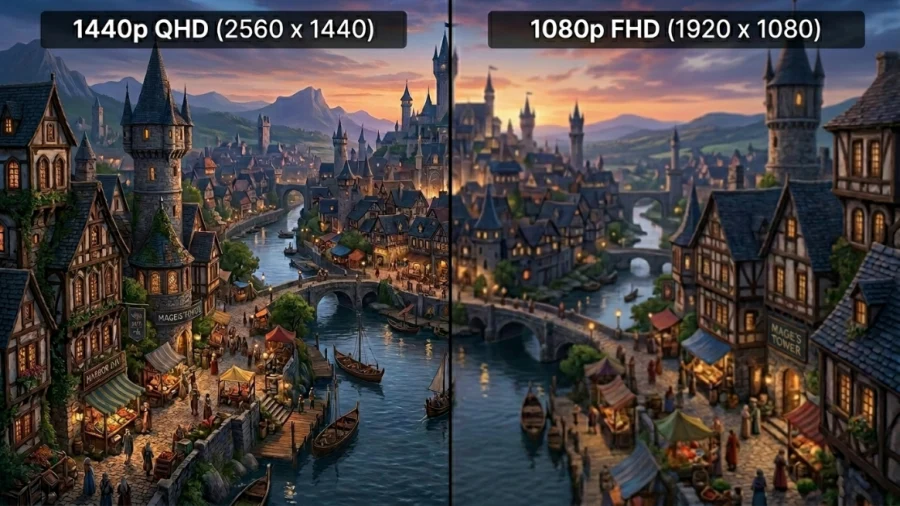
1440p vs 1080p: Which Resolution Should You Choose?
Display resolution has become one of the most important factors when choosing a monitor, laptop, or even a smartphone. As screens grow larger and digital content becomes more detailed, the…

Full Array Local Dimming: The Key to Superior Contrast
Full Array Local Dimming (FALD) represents one of the more significant advancements in modern display technology, fundamentally transforming how we experience visual content on our screens. This premium feature has…
HDR On or Off? How to Decide
Deciding whether to keep HDR on or off can be confusing. High Dynamic Range promises better visuals, but is it always the best choice? This guide will help you understand…

Gorilla Glass and Beyond: The Materials Behind Ultra-Tough Screens
Drop two phones from the same height onto the same pavement. One survives with a faint scuff. The other shatters into a spiderweb of cracks. The difference rarely comes down…
Direct Lit vs Edge Lit vs Full Array: Decoding TV Backlight Technology
When choosing a new television, specifications like resolution (4K, 8K) and screen size often grab the headlines. However, a crucial element significantly impacting picture quality, particularly contrast and black levels,…
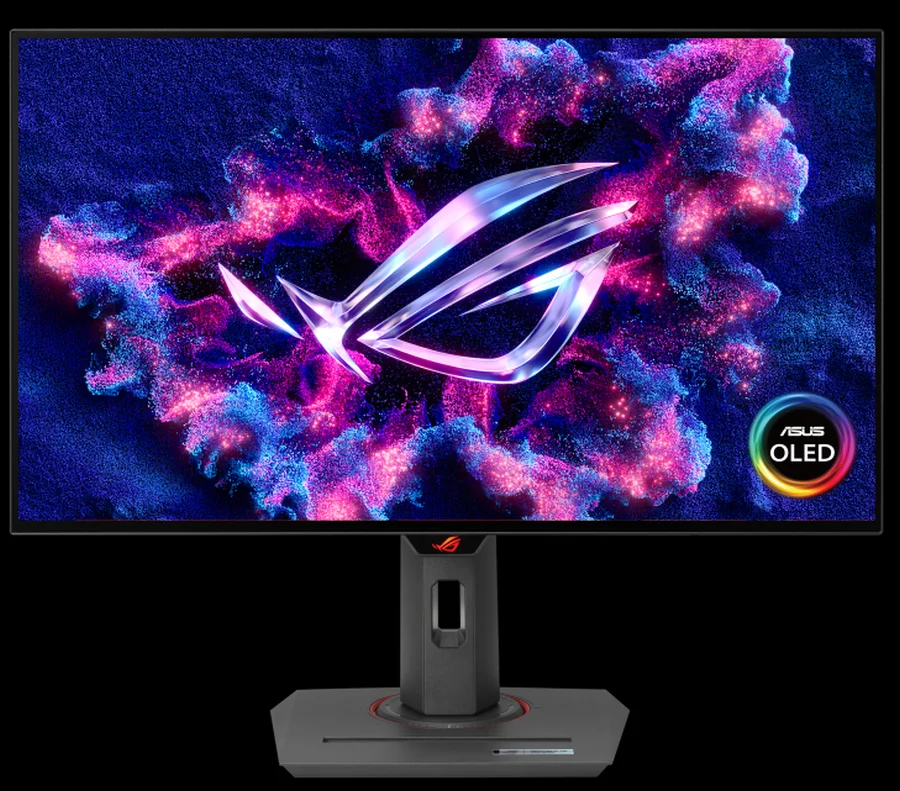
ASUS ROG Strix OLED XG27AQDMG Review: QHD, Glossy OLED, 240Hz, 0.03ms, 99% DCI-P3; A Brilliant, Glossy Victory
Our Rating: 4.8★★★★★ The ASUS ROG Strix OLED XG27AQDMG represents the latest evolution in gaming monitor technology, combining the stunning visual quality of OLED panels with high-refresh gaming performance. This…

LTPO OLED Display Technology: AMOLED Gets Adaptive
Modern electronic devices constantly push the boundaries of screen quality. Users demand vibrant colours, deep blacks, and smooth motion. Simultaneously, expectations for long battery life have never been higher. Reconciling…
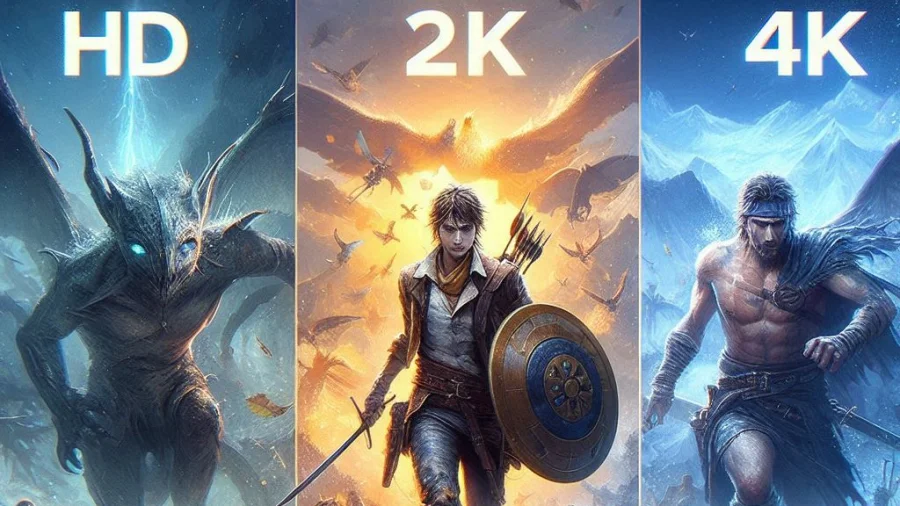
HD vs 2K vs 4K: Understanding Display Resolutions
Display resolution plays a crucial role in our increasingly digital world. From the smartphones in our pockets to the massive televisions in our living rooms, the clarity and detail of…
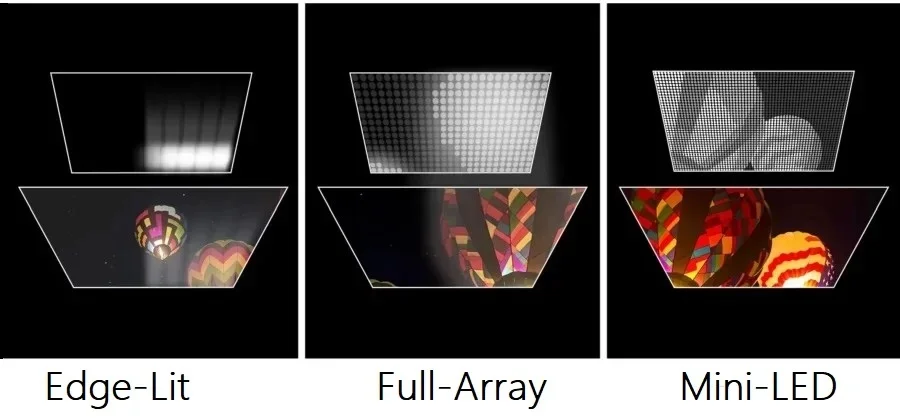
Local Dimming: Enhancing Contrast on TVs and Monitors
Local dimming is a display technology that enables a screen to adjust the brightness of specific areas independently, rather than applying a uniform brightness across the entire panel. This capability…

5 Best Screen Cleaners of 2026 for TVs, Laptops, Monitors, Tablets and Smartphones
Whether you are watching a high-end OLED TV or scrolling through the smartphone in your hand, fingerprints and smudges are inevitable. While it’s tempting to grab a bottle of Windex,…
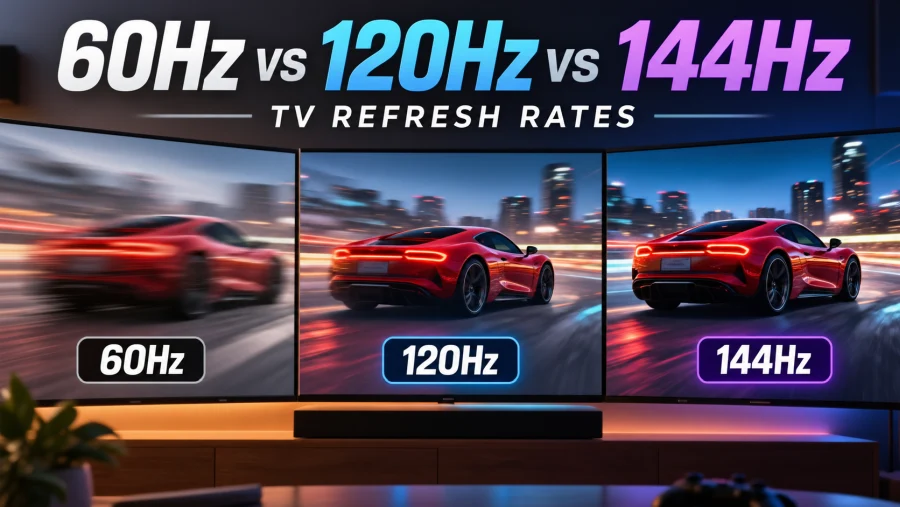
60Hz vs 120Hz vs 144Hz TV Refresh Rates: Movies, Sports, and Gaming
Shopping for a new TV means wading through spec sheets where the numbers keep climbing. 60Hz, 120Hz, and now even 144Hz show up in product listings, and it is hard…
Mini LED vs OLED: Which Display Technology Reigns Supreme?
Choosing a new television or monitor often involves navigating complex technical terms. Two dominant display technologies currently vying for consumer attention are Mini LED and OLED. Mini LED refers to…

Wide Color Gamut (WCG): New Standard for Color Precision
Color gamut is a term that describes the range of colors that a device can display or capture. It is an important aspect of digital media, as it affects the…

Hybrid Log–Gamma (HLG): Combining SDR and HDR
Hybrid Log–Gamma (HLG) is a transfer function that allows the encoding and display of high dynamic range (HDR) video content. HDR video has a higher contrast and a wider range…
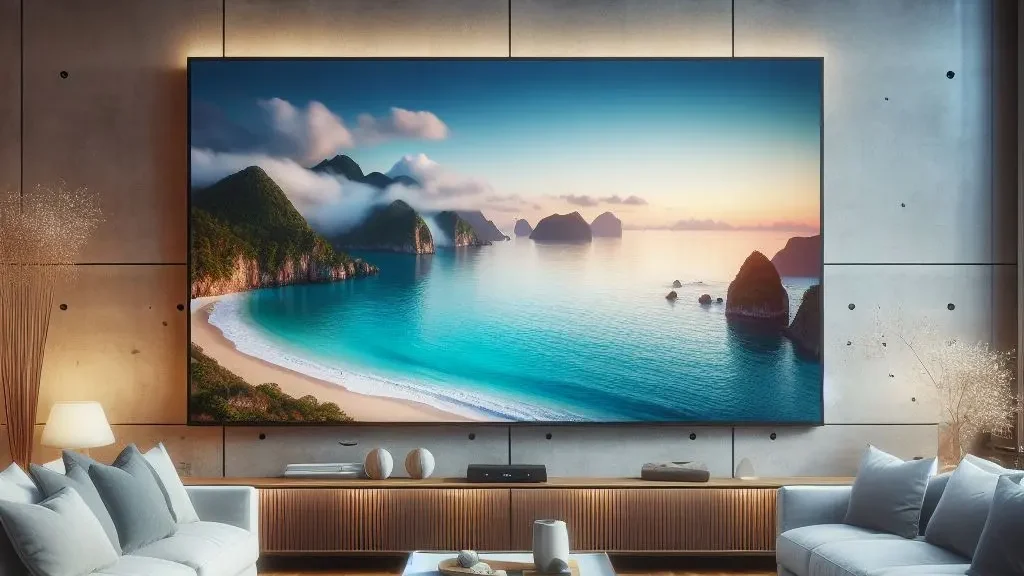
HDR Tone Mapping on TVs
High dynamic range (HDR) is a technology that allows TVs to display a wider range of brightness, contrast, and colors than standard dynamic range (SDR) TVs. HDR TVs can produce…

HDR True Black 400, 500, 600: New Era of Darker Blacks in Display Technology
High Dynamic Range (HDR) technology is a significant advancement in display technology. It enhances the quality of an image or video by increasing the contrast between the lightest whites and…
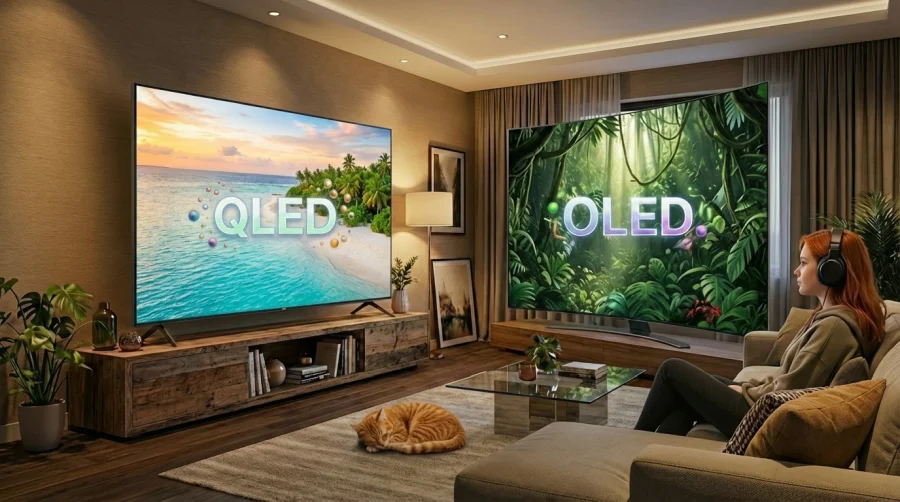
QLED vs OLED: Understanding the Future of Television Display Technology
The television market has undergone a dramatic transformation over the past decade, with display technology advancing at a remarkable pace. Today’s consumers face an increasingly complex decision when choosing a…

144Hz vs 240Hz: Which Refresh Rate Actually Matters?
If you have shopped for a gaming monitor in the last few years, you have probably run into a wall of numbers: 60Hz, 144Hz, 165Hz, 240Hz, even 360Hz. Two of…
HDR10 Pro: LG’s Enhanced HDR Processing Technology
HDR10 Pro is a marketing term and it refers to advanced high dynamic range (HDR) processing technology developed by LG Electronics to optimize the visual quality of HDR content. Designed…
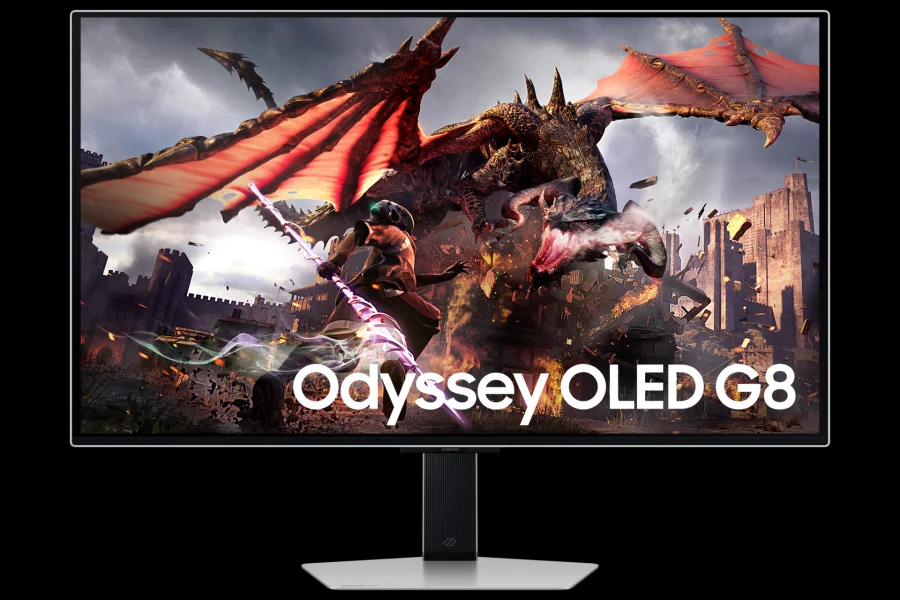
Samsung Odyssey OLED G8/G80SD S32DG80 Review: 4K 240Hz 0.03ms; Ultra-Sharp Masterpiece for Gamers
Our Rating: 4.7★★★★★ The Samsung Odyssey G8/G80SD S32DG80 is a 32-inch 4K QD-OLED gaming monitor that combines cutting-edge display technology with smart features. Aimed at gamers and content creators who…
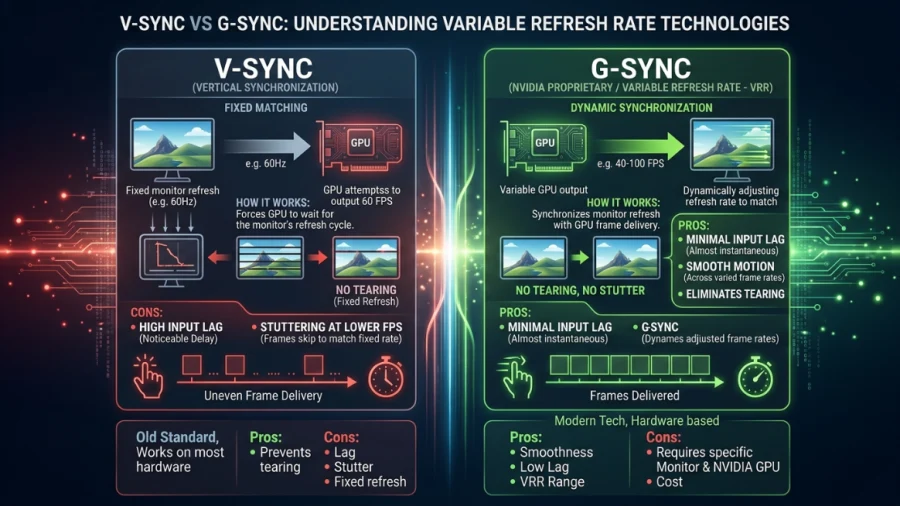
V-Sync vs G-Sync: Which Should You Use?
If you have ever noticed a horizontal tear cutting across your screen mid-game, you have experienced one of the most frustrating visual artifacts in PC gaming. That glitchy split image…
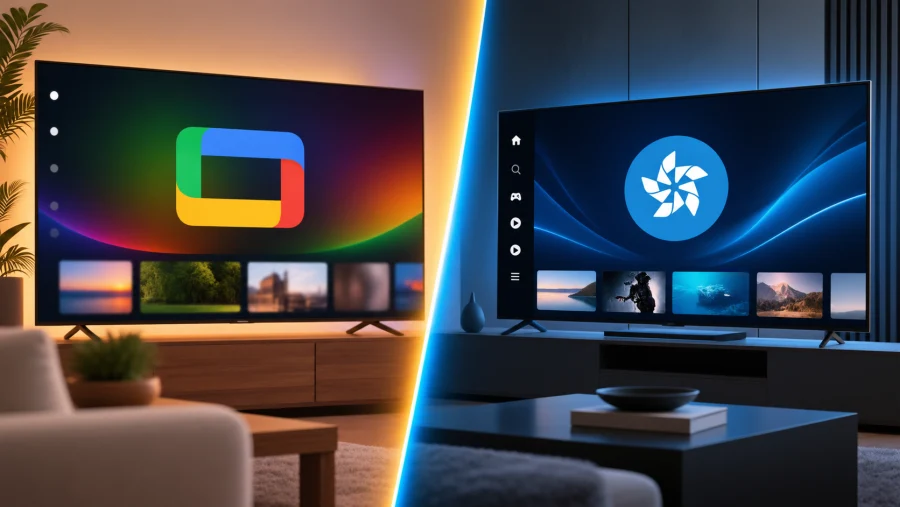
Google TV vs Samsung Tizen: Which Smart TV Platform Is Right for You?
Choosing a new television today means choosing an operating system as much as a screen. The two most common platforms shoppers run into are Google TV, found on brands like…
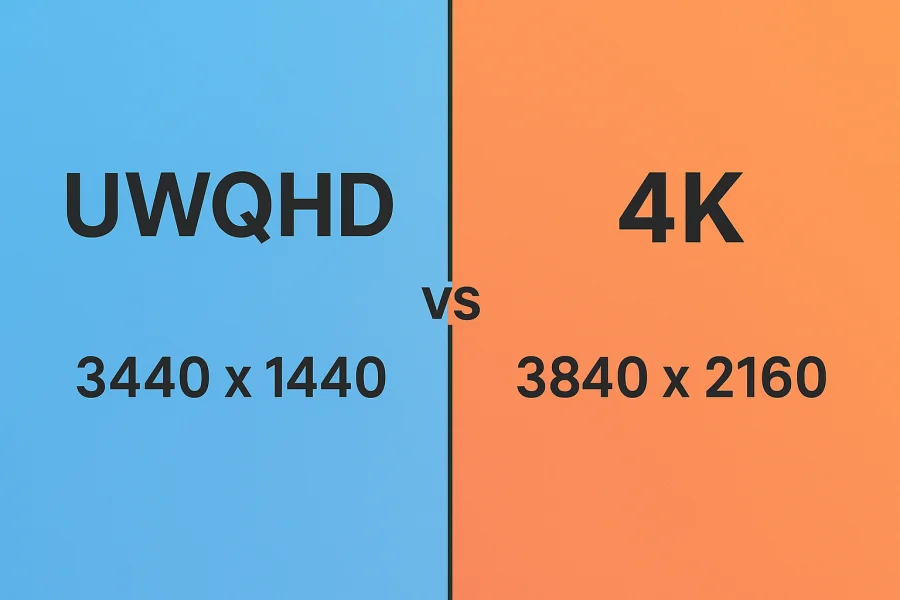
UWQHD vs 4K: How to Decide Between Ultra-Wide and Ultra-Detail
The modern display market offers two compelling resolutions that dominate different use cases: UWQHD (Ultra-Wide Quad HD) at 3440×1440 pixels and 4K (Ultra High Definition) at 3840×2160 pixels. While both…
HDR10 vs HDR10+ vs Dolby Vision: HDR Formats Explained
High Dynamic Range (HDR) has fundamentally changed how we experience video content at home. By expanding the range between the darkest shadows and the brightest highlights, HDR creates images that…
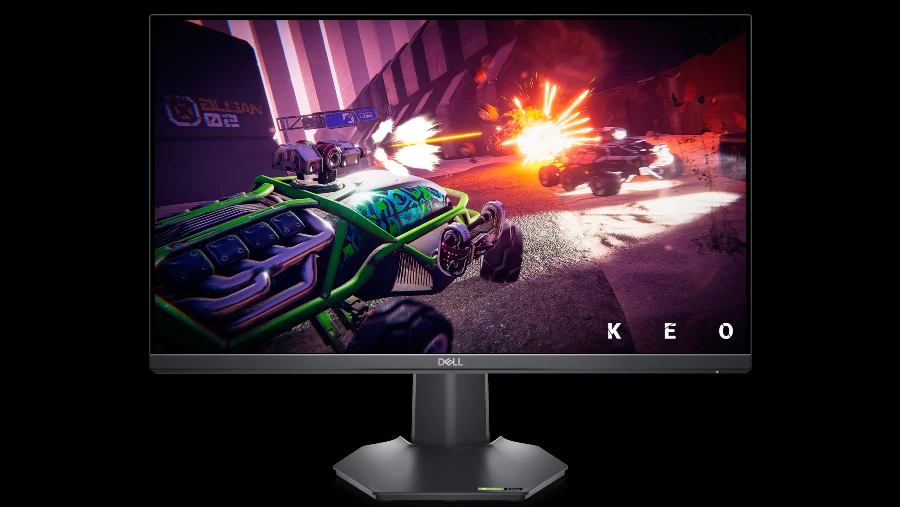
Dell G2422HS Review: 165Hz 1ms 1920 x 1080 IPS; Budget Gamer’s Delight
Our Rating: 4.4★★★★★ Dell G2422HS is a gaming monitor that combines affordability with high performance, making it a popular choice among gamers.This monitor is known for its fast IPS technology,…

HDR vs UHD: Enhancing Resolution and Contrast for the Best Visuals
Display technologies like Ultra High Definition (UHD) and High Dynamic Range (HDR) have redefined how we experience visual content, from the clarity of images to the vibrancy of colors and…

The Rise of Portable Monitors for Remote Financial Traders
Remote financial trading has evolved quickly as technology reshapes how traders operate daily. You no longer need a large office filled with expensive desktop setups. Many traders now prefer flexible…

V-SYNC: What Is It And Should You Use It?
If you have ever noticed your game looking slightly “off” during fast movement, with images appearing to tear horizontally across the screen, you have already encountered the problem that V-SYNC…
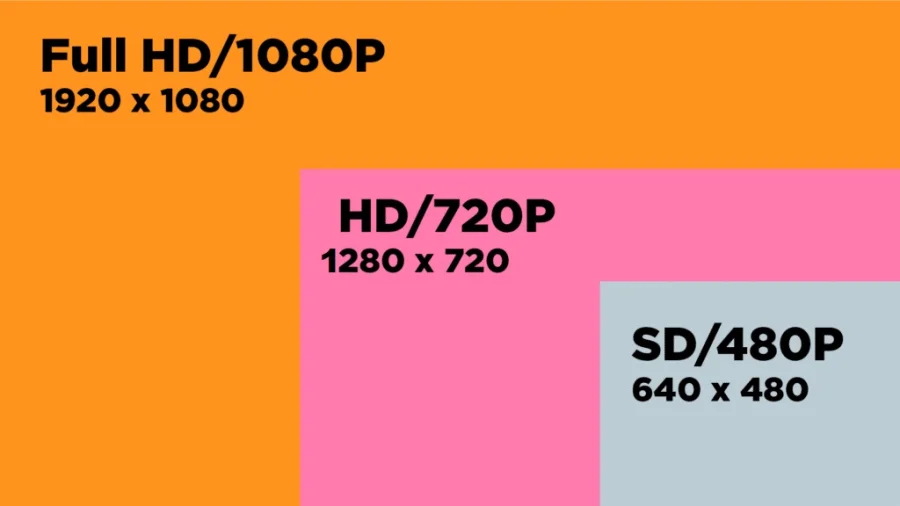
HD vs FHD: Explanation
What is HD? HD stands for high definition, a term that refers to the quality and clarity of an image or video. HD resolution is measured by the number of…

Visuals as Strategy: The Graphic Evolution of Call of Duty
While many gamers still hold a deep nostalgia for the 8-bit sprites and CRT-era pixels of classic retro titles, early video game graphics left a lot to the imagination. Back…
GTG vs MPRT: Display Response Times Explained
Response time is a critical specification for gaming monitors, as it directly affects the clarity and smoothness of fast-moving images. In the context of gaming, response time refers to how…

How to Keep Your Systems Secure Without Expensive Software
Security budgets are tight for most organizations, especially small businesses, startups, and lean IT teams. Meanwhile, attackers are not slowing down. Ransomware, phishing, and automated scans for vulnerable systems hit…

Asus TUF Gaming VG289Q1A Review: A Budget-Friendly 4K Monitor for Gamers and Content Creators
Our Rating: 4.2★★★★★ The ASUS TUF Gaming VG289Q1A is a standout product in the world of gaming monitors. This 28-inch 4K monitor is designed to bring high-end gaming experiences to…

PHOLED vs OLED: Understanding the Differences and Advantages
Display technology has come a long way since the early days of cathode ray tubes. In recent years, OLED (Organic Light-Emitting Diode) has emerged as a game-changer in the world…
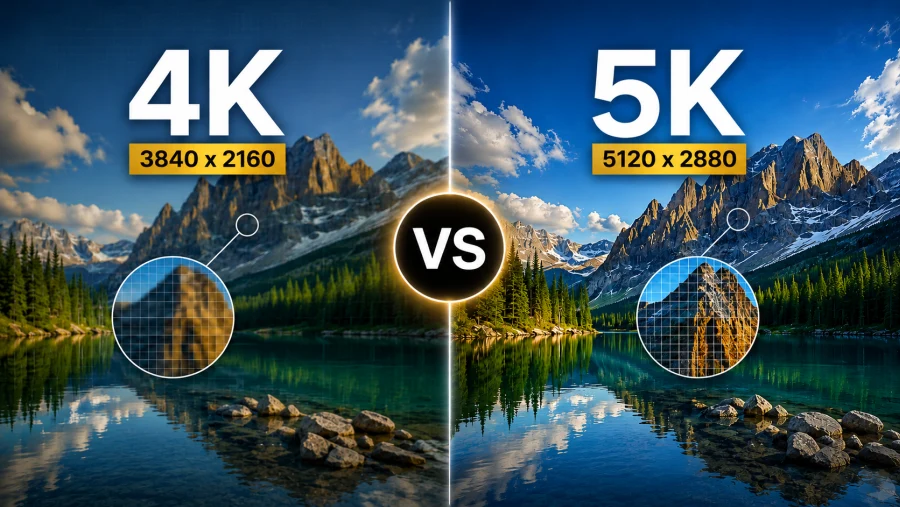
4K vs 5K Resolution: Which One Do You Really Need?
Choosing a display used to be simple. You picked the biggest screen you could afford and called it a day. But as monitor technology has advanced, resolution has become one…
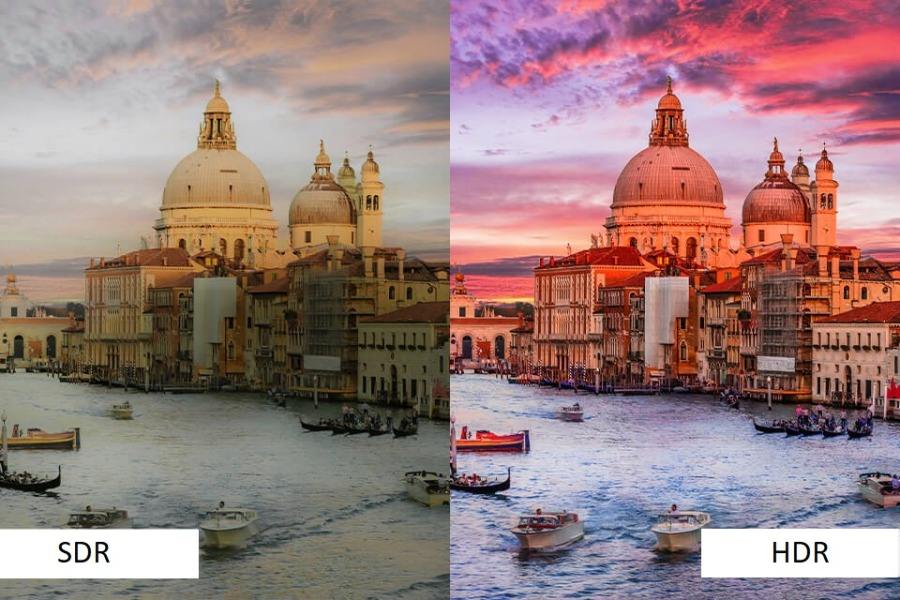
HDR vs SDR: What You Need to Know
If you’re looking for a new TV or monitor, you might have come across the term HDR, which stands for High Dynamic Range. But what does it mean, and how…

Sound On, Voice Off: The Art of Lip Syncing Without Saying a Word
In a world flooded with visual distortions, silence can be the most powerful marketing tool. Scroll through any platform and you’ll see, perfectly synced lips mouthing lyrics, movie quotes, or…

How This No-logs and RAM-only VPN Protects Your Online Privacy
With the growing number of cyber attacks, you now look for a solution that can help you keep your personal information secure. Surfshark has become one of the most used…

Everything You Need to Know About League of Legends Ranked in 2026
League of Legends ranked is where the game comes alive. It is also where a lot of players hit a wall, because the system that decides your rank has changed…

Best VPN for Security, Privacy, and Unblocking Content
In an era where our digital footprints are vaster and more scrutinized than ever, safeguarding our online security and privacy has become paramount. From prying eyes of ISPs and advertisers…

Viewport vs Screen Resolution for Responsive Design
Responsive design is built on the principle that layouts must adapt to different devices, screen sizes, and user contexts. However, many implementation issues stem from misunderstandings of two foundational concepts:…
HDR Gaming: Elevating Entertainment with Realism
High Dynamic Range, or HDR, represents a significant leap forward in display technology, moving beyond simply increasing pixel counts (like 4K resolution) to enhancing the quality of each pixel. It…
HDR10 vs HLG: Comparing HDR Technologies
High Dynamic Range (HDR) has emerged as a transformative force, significantly enhancing the viewing experience by delivering greater contrast, more vivid colors, and increased brightness. HDR is particularly important in…