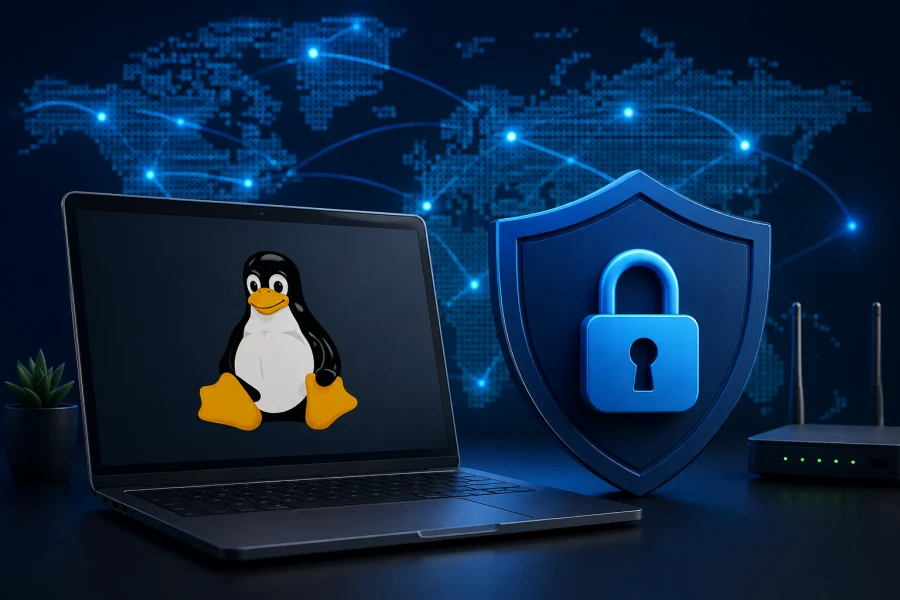
Linux has earned a strong reputation among computer enthusiasts for its stability, customization, and robust security architecture.
Some people want to switch to Linux distros because there is less invasive tracking and fewer software vulnerabilities in the distro compared to other operating systems.
When you send traffic over the open internet, however, there are unique privacy risks, but your local system settings and file structures are safe.
Even online trackers, Internet service providers, and unencrypted networks can see your browsing habits. Adding network-level encryption adds to your digital security.
Shield Your Network Traffic from ISP Inspection

A secure operating system will help keep your files safe, but will not stop your ISP from tracking your Internet activity.
Your IP address is assigned by your provider, and the provider records all the requests the domain you are using receives from your computer.
This information can help them develop detailed profiles of your browsing patterns, or slow your internet connection when you’re using it heavily.
Integrating a dependable VPN for Linux scrambles your network traffic before it leaves your machine. This prevents your service provider from being able to view your online requests, and also stops them from spying on your browsing habits.
Secure Unencrypted Connections on Public Wi-Fi
Many Linux users use laptops for work when they travel and join in with shared networks in coffee shops, libraries, or university campuses.
Public Wi-Fi hotspots are not secure, meaning that your network activity can be monitored by other people nearby who have packet sniffers or may be using a man-in-the-middle attack. A secure operating system’s permissions do not always prevent information in the data packets from being exposed if they are transmitted over public airwaves.
Using virtual network software routes your internet traffic through a protected tunnel, guaranteeing that your personal accounts and private communications remain completely hidden from external monitoring.
Bypass Regional Restrictions and Content Throttling
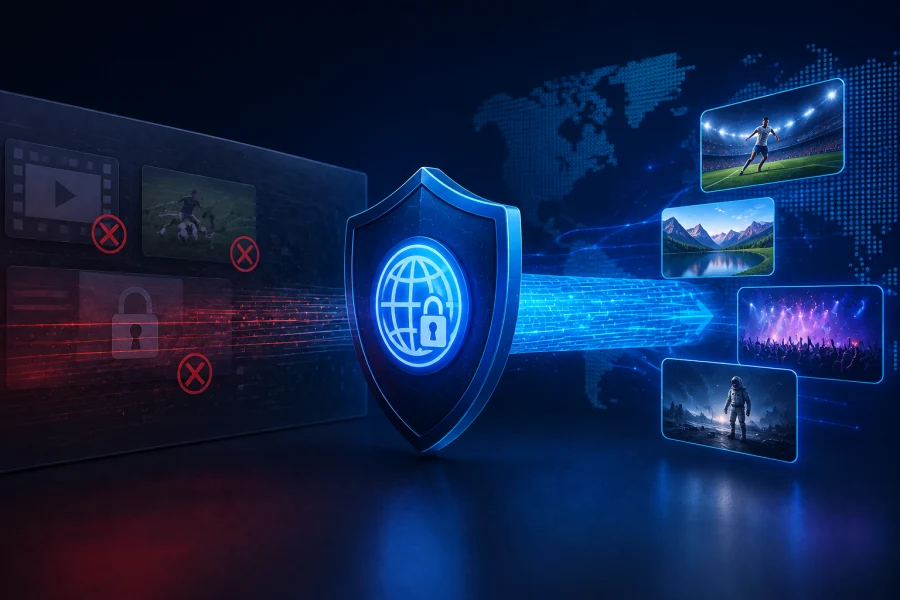
Virtual private networks provide geographical flexibility not only for privacy protection but also for exploring the web. Numerous online services, research databases, and video streaming sites limit access to users depending on their location.
Network providers may also subject users to slower Internet speeds for certain categories of Web traffic, such as streaming media or large file downloads. When you use remote server locations, your real IP address will be concealed, and you can have your traffic sent through other regions.
This feature enables you to access the web without restrictions anywhere in the world and even have a stable connection speed for everything you do online.
Enhance Digital Anonymity Beyond System Controls
Although Linux permissions prevent people from accessing your device without permission, websites can still identify you using network identifiers and browser signatures.
A digital profile is built as you visit websites and/or engage in online transactions; online platforms match your IP address with website visits and online transactions.
The virtual network software uses a common virtual IP address in place of your real IP address, which makes it almost impossible to trace your activity back to your physical location by tracking networks.
Combining native Linux security with network encryption creates a comprehensive defense against intrusive digital profiling across the web.
Conclusion
Linux provides an outstanding foundation for personal computer security, but safeguarding your local files is only half the battle. Every time you log onto the web, there are third parties who can see your web traffic, location information, and your browsing activities.
By encrypting your network, you can close crucial privacy holes that would otherwise allow your traffic to be seen by your service provider, to be controlled by the network provider on a public WiFi hotspot, to be circumvented through geographic restrictions and to conceal your digital identity.
Doing so will help keep your online activities private and secure, just as the computer’s operating system keeps your information secure and private.
Read Next

QLED vs UHD: What’s the Difference and Which One Actually Matters?

HDR10 vs HDR10+ vs Dolby Vision: HDR Formats Explained

1440p Resolution: The Definitive Guide to QHD

HGiG Mode for HDR gaming: Explanation

Blue PHOLED: Illuminating The Future of High-Efficiency Displays

HDR vs OLED – What Sets Them Apart?

LG UltraGear 24GQ50F-B Review: 1920×1080 165Hz 1ms MBR FreeSync Premium; Essential Features Without Breaking the Bank
4K vs 5K Resolution: Which One Do You Really Need?

Direct Lit vs Edge Lit vs Full Array: Decoding TV Backlight Technology

OLED Technology Explained: The Cornerstone of Modern Displays

Gorilla Glass and Beyond: The Materials Behind Ultra-Tough Screens
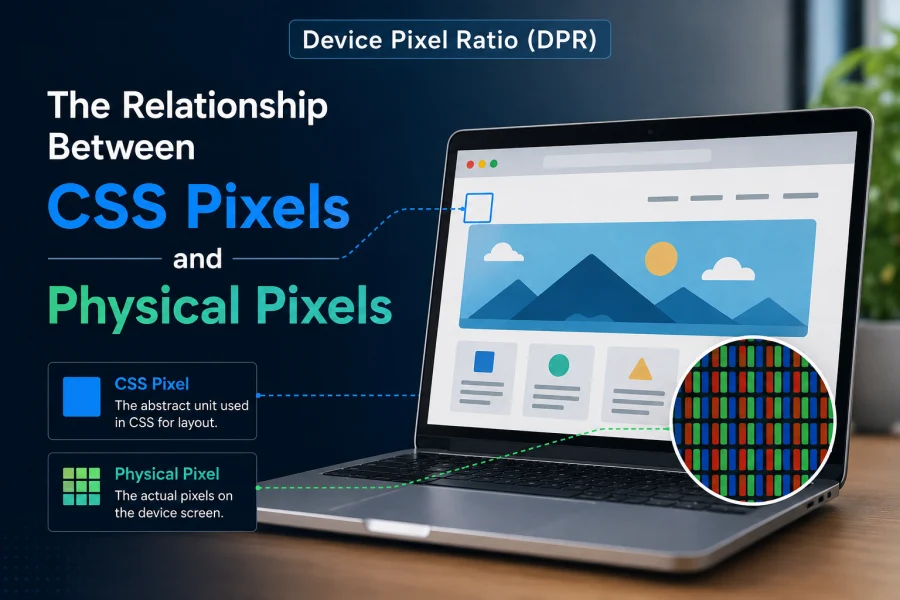
Device Pixel Ratio (DPR): The Relationship Between CSS Pixels and Physical Pixels

QHD vs. OLED: Resolution, Panel Tech, and What Actually Matters