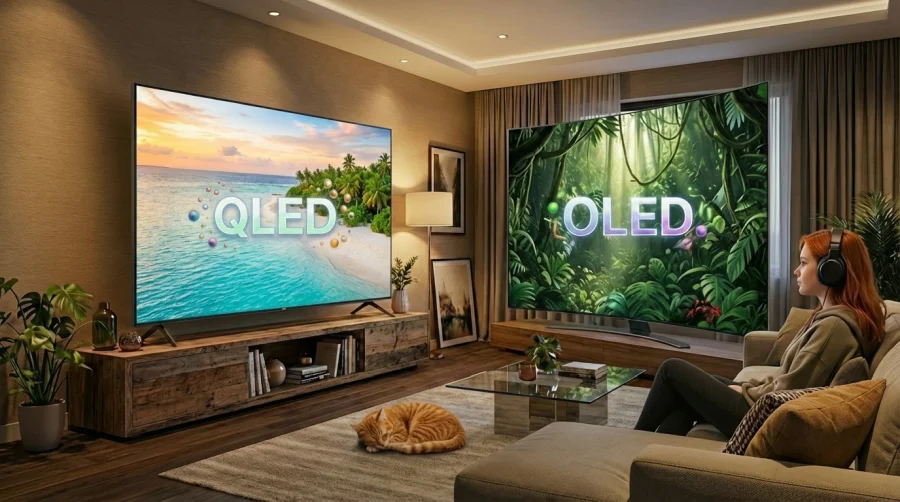
The television market has undergone a dramatic transformation over the past decade, with display technology advancing at a remarkable pace. Today’s consumers face an increasingly complex decision when choosing a new TV, with two dominant technologies competing for dominance: QLED and OLED.
Understanding the differences between these technologies has become essential for anyone looking to make an informed purchase decision. This article explores the fundamental characteristics, strengths, and weaknesses of both QLED and OLED displays, helping you determine which technology best suits your specific needs, room environment, and viewing habits.
What Is QLED?
QLED stands for Quantum Dot LED technology, and it represents Samsung’s evolution of traditional LED display panels. At its core, QLED technology works by combining a traditional LED backlight system with a layer of quantum dots – tiny semiconductor crystals that emit light when stimulated by the LED backlight behind them.
This hybrid approach allows manufacturers to achieve remarkable brightness levels and vibrant color reproduction while maintaining the established reliability of LED technology.
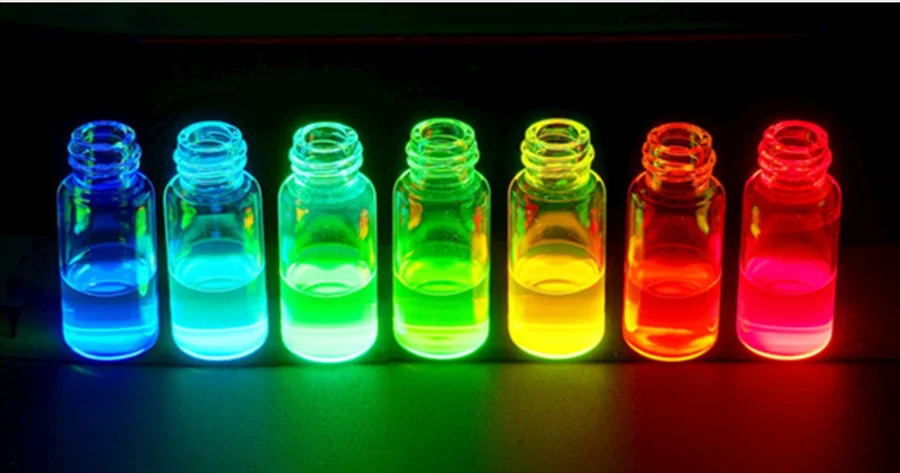
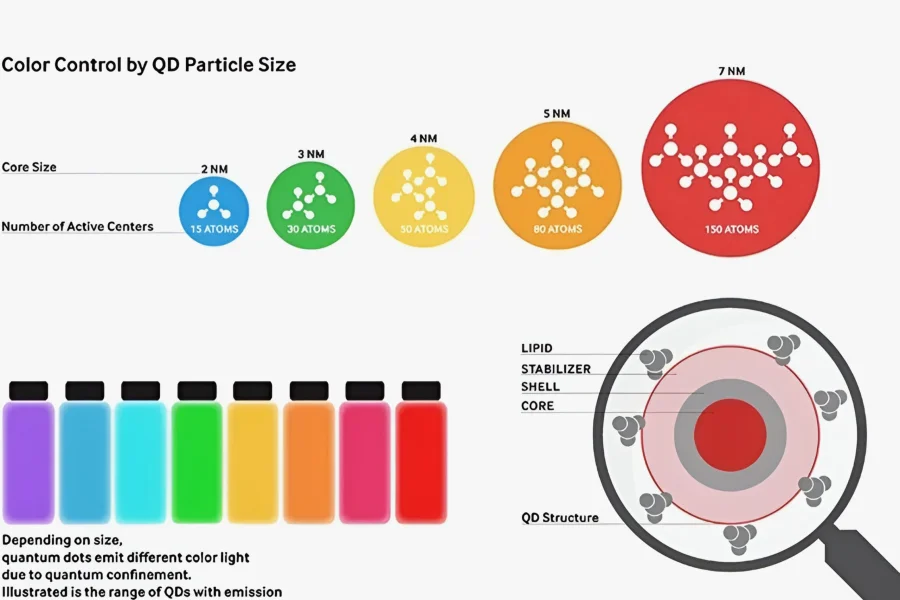
The quantum dots are suspended in a film that sits between the LED backlight and the display panel. When the backlight illuminates the quantum dots, each dot emits light at a specific wavelength depending on its size, allowing for precise color control and exceptional color volume.
Quantum confinement effects dictate that smaller particles emit shorter-wavelength, higher-energy blue light, whereas larger particles emit longer-wavelength, lower-energy red light.
This means QLED TVs can display bright, saturated colors even in well-lit rooms, a capability that distinguishes them from earlier LCD technologies. QLED displays boast several key characteristics that make them attractive to consumers.
First, they offer exceptional brightness, often exceeding 2,000 nits in premium models, making them ideal for brightly lit living rooms where ambient light would wash out other display types.
Second, they deliver a wide color gamut, accurately reproducing colors across the spectrum with impressive color volume.
Third, QLED panels exhibit longer lifespans compared to their OLED counterparts, with most panels maintaining performance quality for extended periods without significant degradation. Leading manufacturers including Samsung, TCL, and Hisense have all embraced QLED technology, making it widely available across various price points.
What Is OLED?
OLED stands for Organic Light-Emitting Diode, representing a fundamentally different approach to display technology. Rather than relying on a backlight, OLED displays use self-emissive pixels, meaning each individual pixel produces its own light. This revolutionary approach eliminates the need for a separate backlight layer entirely, allowing each pixel to be controlled independently and turned on or off as needed.
The technology works through organic compounds that emit light when electrical current passes through them. This gives OLED displays unprecedented control over individual pixel brightness and color, enabling capabilities that backlighting systems cannot match. When a pixel is off, it produces no light whatsoever, creating truly black pixels rather than the dark gray produced by backlit displays.
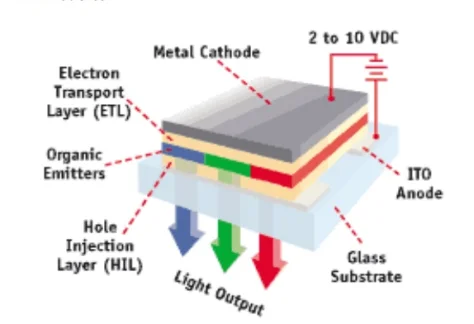
OLED displays are renowned for several defining characteristics. They achieve perfect blacks, as pixels that display black produce absolutely no light, creating infinite contrast ratios where blacks appear infinitely deep compared to bright content. This characteristic fundamentally transforms the viewing experience, particularly in dark rooms and home theater environments.
OLED panels also provide exceptional viewing angles, with colors and contrast remaining consistent even when viewing from extreme angles. Major manufacturers including LG, Sony, and Panasonic have adopted OLED technology, though availability remains more limited than QLED options.
QLED vs OLED: Side-by-Side Comparison
Picture Quality
When evaluating picture quality, both technologies excel in different ways. QLED displays deliver superior brightness levels, a critical factor in brightly lit rooms where OLED’s contrast advantages diminish. However, OLED’s infinite contrast ratio creates a more immersive visual experience in darker environments, with perfect blacks that QLED cannot replicate.
Regarding color accuracy, both technologies can achieve excellent results, though QLED’s wider color volume gives it an advantage for displaying vivid content in bright environments. In HDR performance, OLED’s pixel-level brightness control creates more dramatic highlight and shadow detail, while QLED’s superior peak brightness better handles bright HDR content in well-lit rooms.
Viewing Angles
QLED panels suffer from viewing angle limitations, with color and contrast degrading noticeably when viewing from extreme angles. This can be problematic in rooms where viewers sit off to the side.
Conversely, OLED displays maintain consistent image quality across wide viewing angles, with minimal color shift or contrast loss regardless of viewing position. This advantage makes OLED particularly well-suited for larger rooms where viewers may be positioned at various angles.
Motion Handling
Both technologies handle motion effectively, though they excel in different scenarios. OLED displays feature nearly instantaneous pixel response times, making them superior for gaming and fast-moving content. The self-emissive nature of OLED pixels allows them to change state almost instantly, reducing motion blur.
QLED technology also provides solid motion handling through rapid LED response times, making both options suitable for sports, gaming, and action movies. However, OLED’s response time advantages give it a slight edge for the most demanding applications.
Burn-In Risk
Burn-in represents a significant concern for OLED technology. Because organic pixels degrade over time, and blue pixels degrade faster than others, displaying static images repeatedly can cause permanent image retention. QLED displays are virtually immune to burn-in, as their quantum dot technology does not suffer from the same degradation issues.
However, modern OLED TVs incorporate sophisticated burn-in mitigation technologies including pixel shifting, screen savers, and brightness limiting, making real-world burn-in risk minimal for typical viewing. Still, for users who display static content regularly, QLED presents fewer concerns.
Lifespan and Durability
QLED panels typically maintain their performance characteristics for longer periods, with manufacturers often rating lifespan at 50,000 to 100,000 hours or more. OLED displays face greater longevity challenges due to organic material degradation, though most modern OLED TVs are designed to last 20 to 30 years under typical viewing conditions before noticeable brightness decline occurs. QLED’s superior durability and proven long-term reliability make it attractive for users expecting to keep their TVs for many years.
Gaming Performance
For gaming enthusiasts, both technologies offer compelling advantages. OLED displays provide nearly instantaneous response times and superior motion clarity, making them exceptional for competitive gaming and fast-paced titles.
Both technologies support modern gaming features including variable refresh rate technologies like HDMI 2.1, G-Sync, and FreeSync, with minimal input lag on quality models. QLED’s higher brightness levels can enhance gaming visibility in well-lit rooms, while OLED’s superior contrast creates more atmospheric gaming experiences in darker environments.
Price and Availability
QLED technology dominates the market across all price points, with options ranging from budget-friendly entry-level models under $500 to premium offerings exceeding $3,000. OLED displays command premium pricing, with most models priced between $1,500 and $4,000 or higher, reflecting their more complex manufacturing process and advanced technology.
QLED’s wider availability and better pricing make it more accessible to budget-conscious consumers, while OLED remains positioned as a premium option for enthusiasts willing to invest in superior image quality.
Which One Should You Choose?
Best for Bright Rooms
If your primary viewing environment features significant ambient light from windows or room lighting, QLED represents the superior choice. The technology’s exceptional brightness levels ensure that your image remains vibrant and visible even with bright sunlight or strong room lighting.
QLED’s wide color gamut shines in bright environments, delivering saturated colors that wouldn’t be possible with OLED technology in the same conditions. For living rooms, kitchens, or other bright spaces, QLED’s brightness advantage proves decisive.
Best for Dark Rooms and Home Theater
OLED technology reveals its true potential in dark environments where its infinite contrast and perfect blacks create unmatched image quality. Home theater enthusiasts and cinephiles should seriously consider OLED, as the technology’s ability to precisely control individual pixel brightness creates dramatic shadow detail and stunning visual impact.
The technology’s superior viewing angles ensure that all viewers see consistent image quality, regardless of seating position. If your primary viewing happens in dedicated dark rooms or home theater spaces, OLED’s advantages justify the premium investment.
Best for Gaming
Both technologies excel for gaming, but the choice depends on your specific situation. OLED’s superior response times and motion clarity make it ideal for competitive gaming and fast-paced action titles where every millisecond counts. The infinite contrast also creates more atmospheric gaming experiences in story-driven titles.
However, QLED’s higher brightness levels can be advantageous in well-lit gaming spaces, and its burn-in resistance eliminates concerns for gamers who display static HUD elements frequently. Consider your gaming style, room lighting, and comfort with potential burn-in risks when making this decision.
Best for Long-Term Use
If you plan to keep your television for a decade or more and are concerned about longevity, QLED presents fewer risk factors. The technology’s proven durability, superior lifespan potential, and burn-in resistance make it the safer long-term choice. Users concerned about pixel degradation or burn-in should lean toward QLED, even if this means sacrificing some picture quality advantages. OLED’s degradation characteristics, while not catastrophic under normal use, make it less ideal for consumers prioritizing maximum longevity.
Q&A
Which is better, OLED or QLED?
OLED offers deeper blacks, higher contrast, and a more cinematic look because each pixel lights up independently. QLED, on the other hand, gets much brighter and maintains vivid colors even in well‑lit rooms. The better choice depends on your setup: OLED excels in dark‑room viewing, while QLED performs stronger in bright environments.
Does QLED last longer than OLED?
QLED generally has a longer potential lifespan because it uses inorganic LEDs that don’t degrade as quickly as the organic materials in OLED panels. Modern OLEDs are far more durable than early models, but QLED still tends to maintain brightness and color stability for a longer period, especially with heavy daily use.
Is QLED or OLED better for eyes?
OLED is often considered more comfortable for the eyes thanks to lower blue‑light emission, no backlight flicker, and smoother contrast in dim rooms. QLED can be easier to view in bright spaces due to its higher brightness, but it may expose you to more blue light, which can contribute to eye fatigue over long sessions.
Read Next
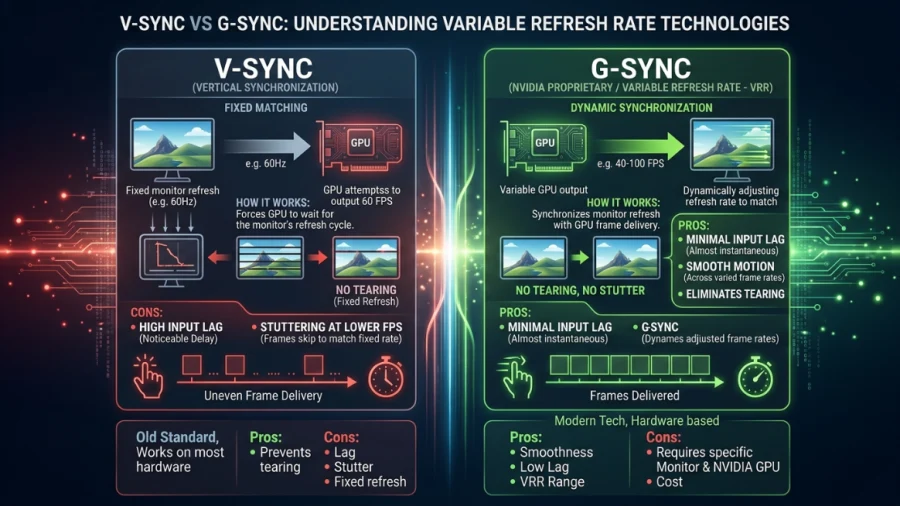
V-Sync vs G-Sync: Which Should You Use?
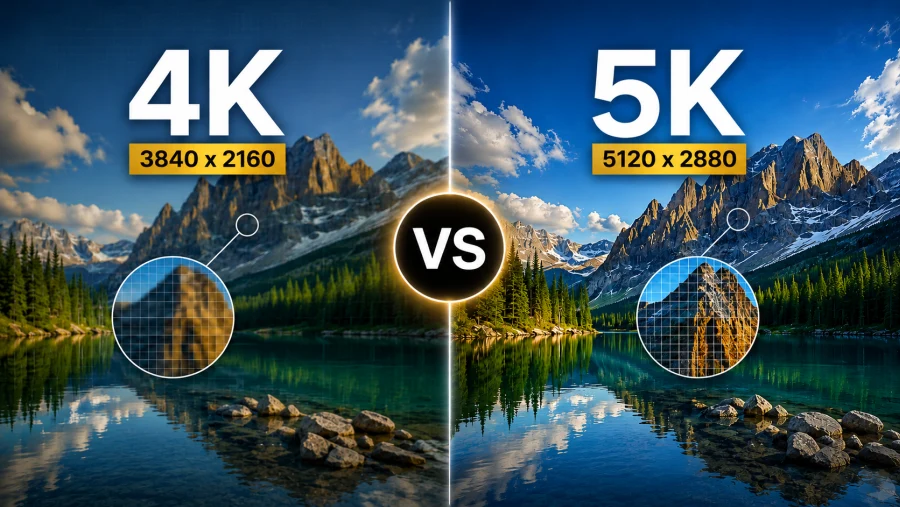
4K vs 5K Resolution: Which One Do You Really Need?
Direct Lit vs Edge Lit vs Full Array: Decoding TV Backlight Technology
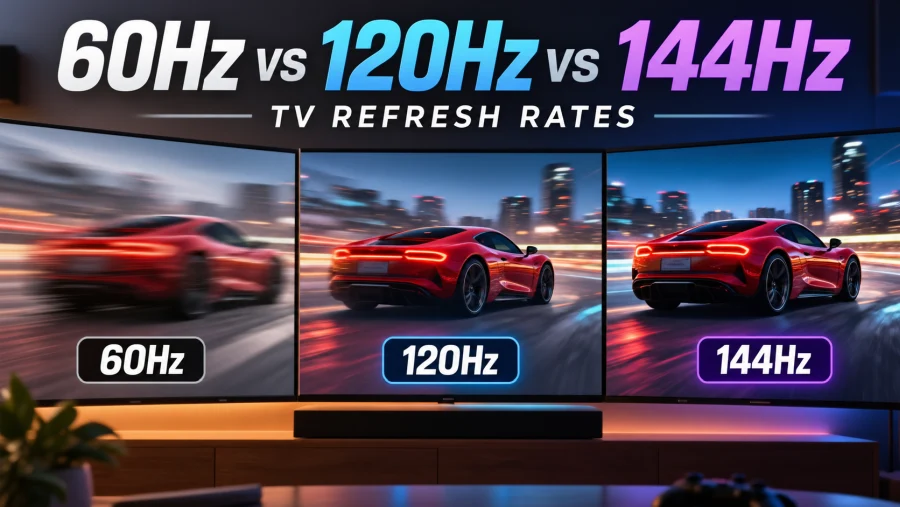
60Hz vs 120Hz vs 144Hz TV Refresh Rates: Movies, Sports, and Gaming
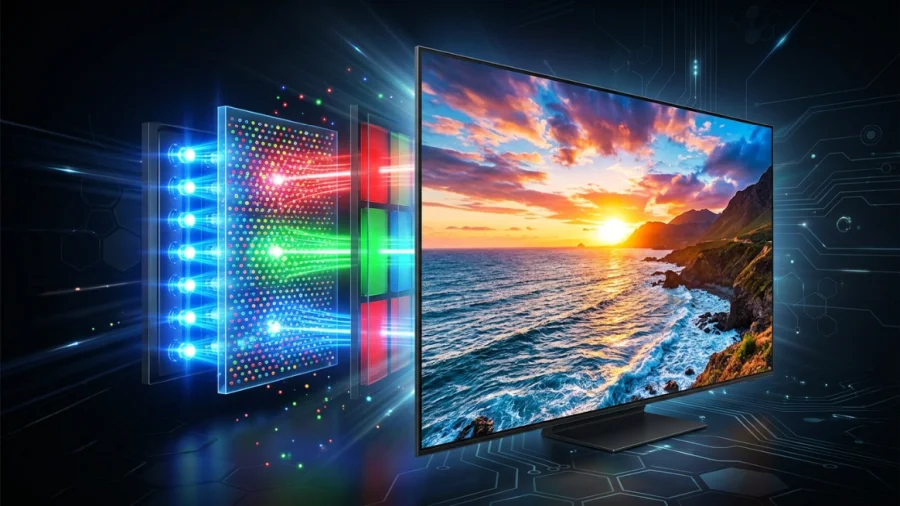
QLED Technology: The Science Behind the Brilliance
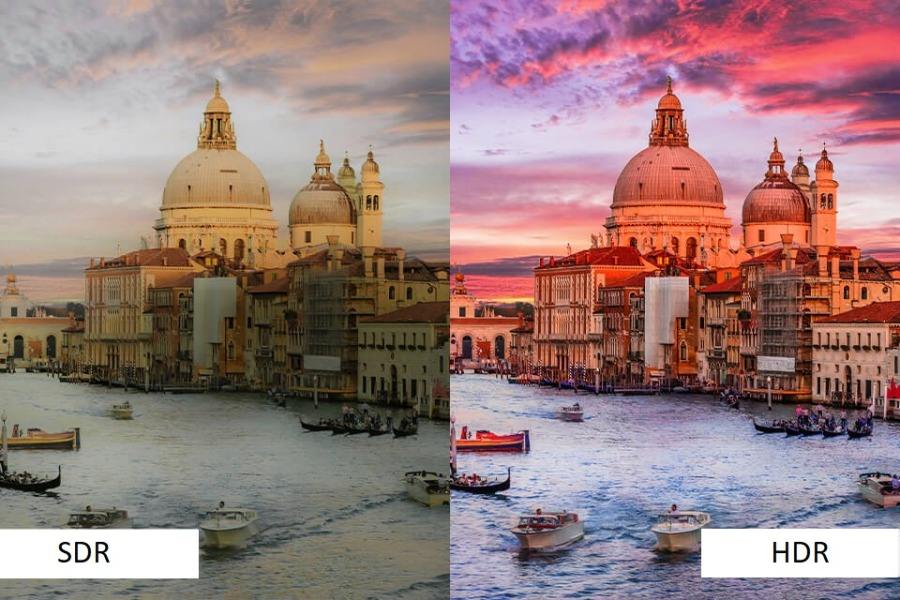
HDR vs SDR: What You Need to Know
Gorilla Glass and Beyond: The Materials Behind Ultra-Tough Screens

HDR10 vs HDR10+ vs Dolby Vision: HDR Formats Explained

LTPO OLED Display Technology: AMOLED Gets Adaptive
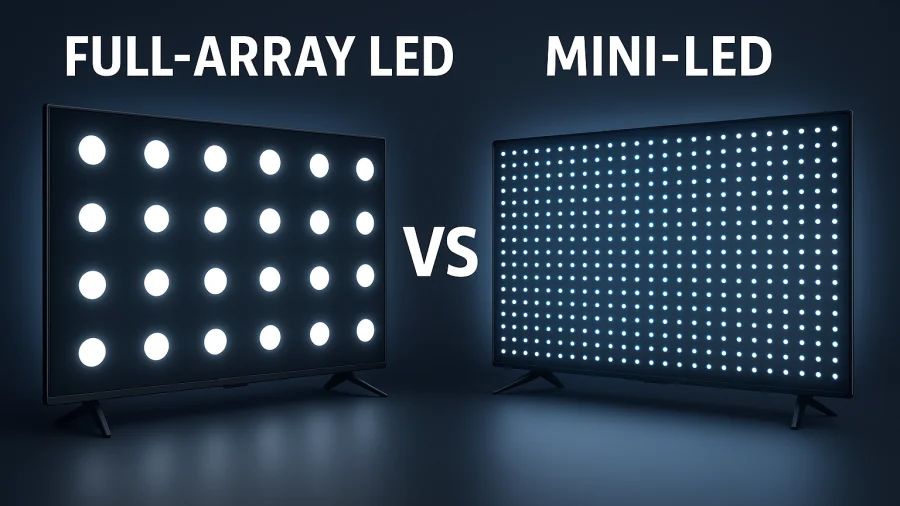
Full Array LED vs Mini-LED: Decoding the TV Backlighting
ASUS ROG Strix OLED XG27AQDMG Review: QHD, Glossy OLED, 240Hz, 0.03ms, 99% DCI-P3; A Brilliant, Glossy Victory
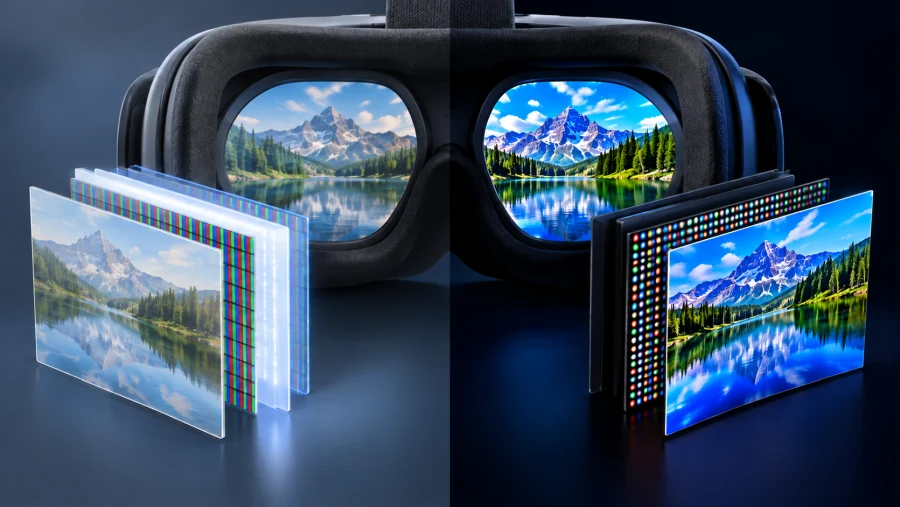
LCD vs Micro-OLED in VR Panels: What the Display Tech Means for Image Quality
HD vs HDR: Differences and Benefits