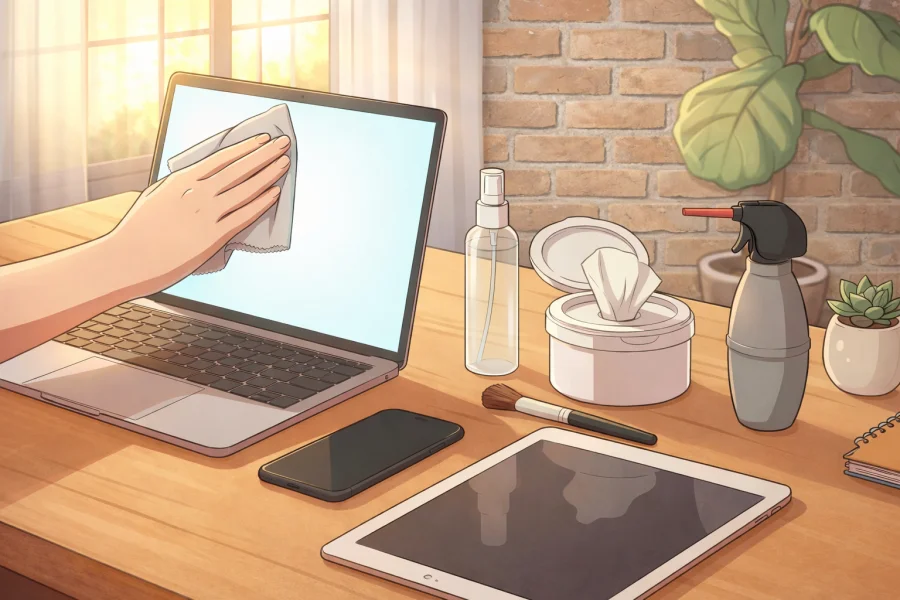
Whether you are watching a high-end OLED TV or scrolling through the smartphone in your hand, fingerprints and smudges are inevitable.
While it’s tempting to grab a bottle of Windex, the harsh chemicals in household glass cleaners can permanently strip the protective coatings off your expensive displays.
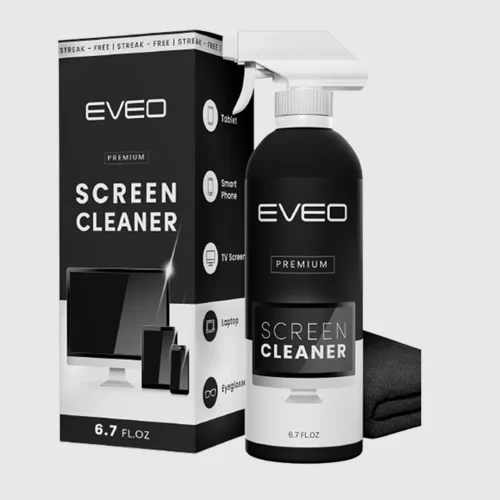
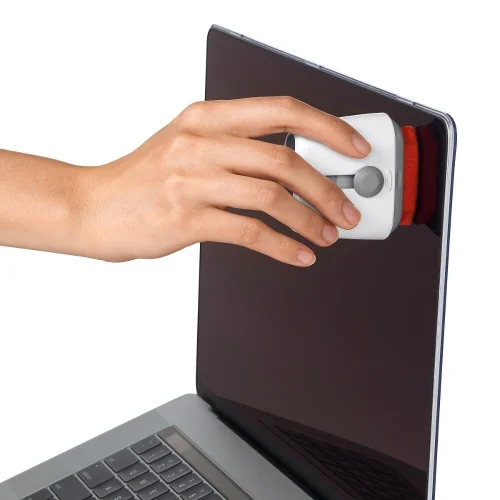
To keep your tech looking brand new, you need a formula specifically designed for electronics. We’ve rounded up the five best screen cleaners that deliver a streak-free shine without the risk of damage.
Screen Cleaners – FAQ
Should I spray the cleaner directly onto the screen?
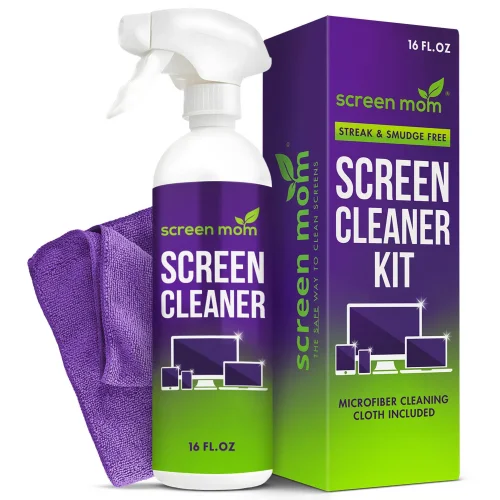
Never. You should always spray the cleaning liquid onto your microfiber cloth first. If you spray directly onto the screen, the liquid can run down the glass and seep into the bezel or the internal circuitry at the bottom of the device. This “wicking” effect can cause hardware failure and permanent display lines.
Can I use Windex or other household glass cleaners?
No. This is the most common mistake users make. Standard glass cleaners like Windex often contain ammonia or alcohol, which are far too abrasive for modern electronics. These chemicals can strip away the oleophobic (oil-repellent) coating on your phone and the anti-reflective layers on your TV or monitor, leading to permanent cloudiness or “patchy” spots on the screen.
Is it safe to use rubbing alcohol (isopropyl alcohol) on my screen?
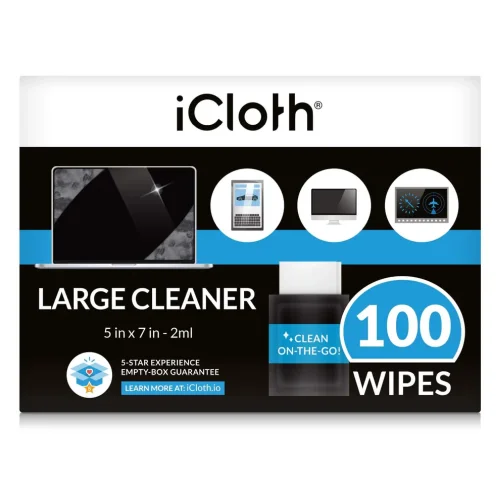
It depends on the device, but generally, you should avoid it for regular cleaning. While some manufacturers (like Apple) updated their guidelines to allow 70% isopropyl alcohol wipes for disinfecting during the pandemic, it is not recommended for daily cleaning. Frequent use of alcohol will eventually degrade the protective coatings on the glass. If you need to sanitize, use a dedicated electronic-safe wipe like iCloth.
What is the best type of cloth to use?
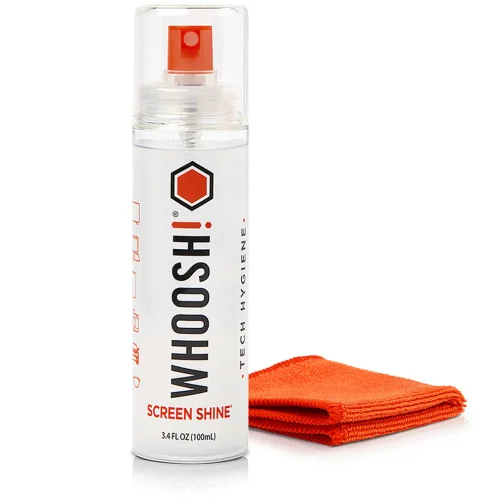
A high-quality microfiber cloth is essential. Avoid paper towels, tissues, or old t-shirts, as these materials are made of wood fibers or uneven fabrics that can leave micro-scratches on delicate plastic or glass surfaces. Look for “high-GSM” cloths (like those bundled with WHOOSH! or EVEO) which have a denser weave designed to lift oils rather than just pushing them around.
How often should I clean my screens?
- Smartphones: Daily (due to high bacteria and oil buildup).
- Laptops: Once a week to prevent keyboard marks from transferring to the screen.
- TVs & Monitors: Every 2–4 weeks, or whenever dust becomes visible.
Do I really need a specialized cleaner, or is water enough?
For light dusting, a dry microfiber cloth is often sufficient. For fingerprints and oils, distilled water is a safe, free alternative. However, distilled water lacks the “surfactants” found in professional cleaners. These agents are necessary to break down skin oils and grease effectively without requiring you to apply heavy pressure, which can damage pixels.
Read Next
HDR True Black 400, 500, 600: New Era of Darker Blacks in Display Technology
Full Array Local Dimming: The Key to Superior Contrast
HDR Tone Mapping on TVs
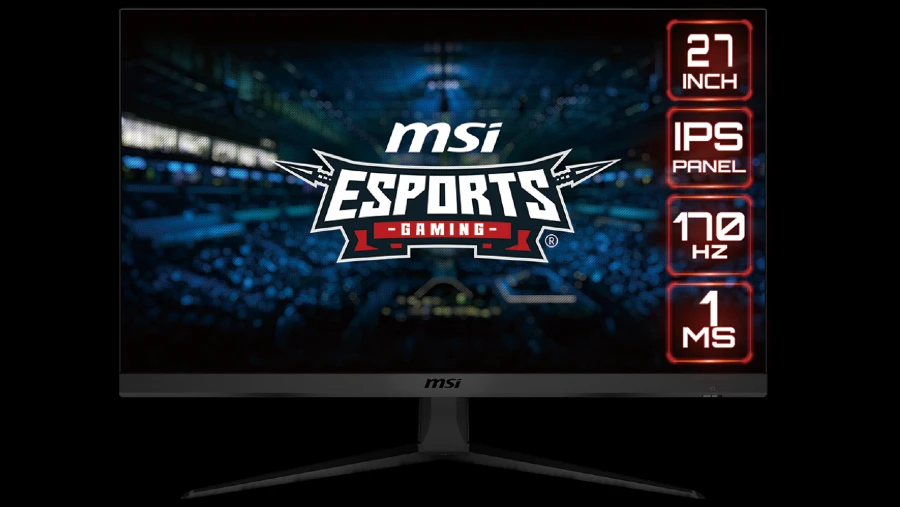
MSI G2712 Review: IPS 1920×1080 1ms 170Hz; Blend of Performance and Value

Mini LED vs OLED: Which Display Technology Reigns Supreme?
WQHD vs QHD – Understanding the Differences and Choosing the Right Resolution
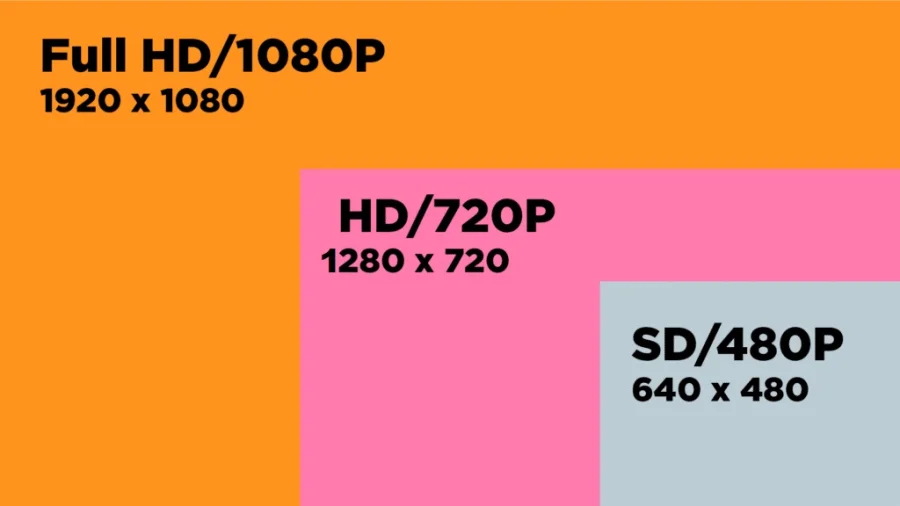
HD vs FHD: Explanation
OLED Pixel Refresh Explained: What It Is and Why Your TV Needs It
MSI Optix MAG342CQR Review: 1500R 1ms 3440×1440 144Hz; Curved UltraWide Gaming Experience
FHD vs 4K: Is the Upgrade Worth It?
HDR10 vs HLG: Comparing HDR Technologies

Best VPN for Security, Privacy, and Unblocking Content
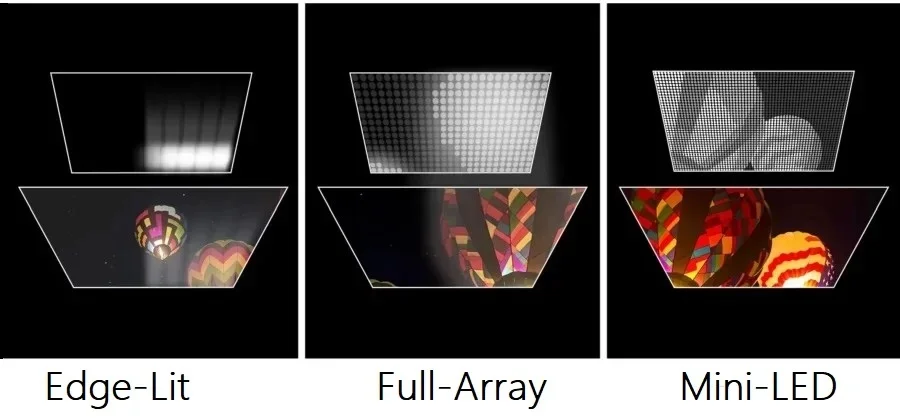
Local Dimming: Enhancing Contrast on TVs and Monitors