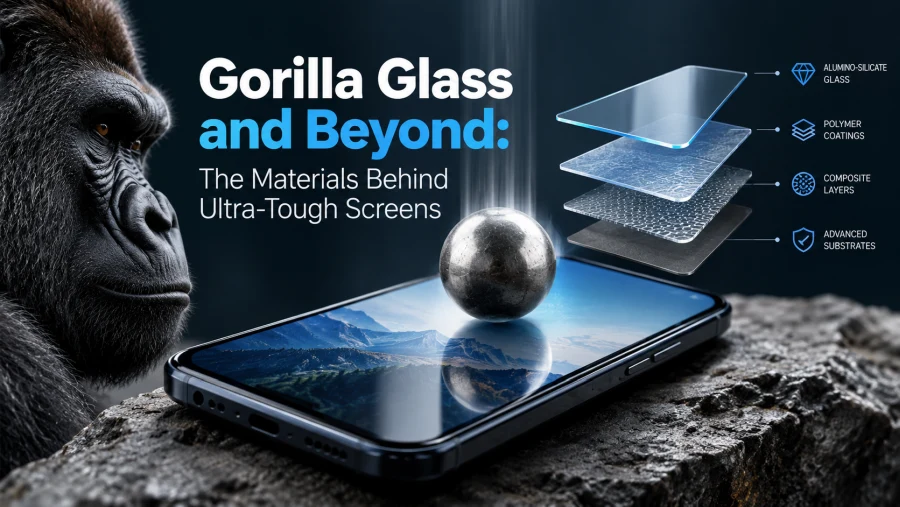
Drop two phones from the same height onto the same pavement. One survives with a faint scuff. The other shatters into a spiderweb of cracks. The difference rarely comes down to luck. It comes down to materials science, layers of engineering that most users never think about until the moment their screen hits the ground.
For decades, the glass covering our devices was treated as an afterthought, a transparent barrier with little glamour and less marketing appeal. That has changed dramatically. Screen durability is now a headline feature, discussed in product launches with the same enthusiasm once reserved for camera megapixels or processor speed.
This shift did not happen by accident. It is the result of decades of chemistry, precision manufacturing, and design innovation aimed at making glass behave less like glass and more like something far tougher.
This article explores the materials and processes that make modern screens resistant to scratches, drops, and daily wear, from the well known Gorilla Glass brand to the emerging technologies poised to replace it.
The Rise of Chemically Strengthened Glass
The modern era of tough screens began with Corning, a company with a long history in specialty glass manufacturing. In the late 2000s, as smartphones with touchscreens became mainstream, Corning revived a decades old glass formulation and adapted it for consumer electronics.
The result was Gorilla Glass, an aluminosilicate glass engineered specifically to resist the kind of stress and impact that everyday devices endure.
Aluminosilicate glass is a type of glass made by combining silica with a significant amount of aluminum oxide, rather than relying on silica alone as in ordinary soda lime glass. This composition gives it a naturally tighter molecular structure, which makes it more resistant to heat and mechanical stress even before any additional treatment.
It also plays a critical role later on, since its structure is what allows the glass to undergo the chemical strengthening process that gives Gorilla Glass its signature toughness.
The secret to its strength lies in a process called ion exchange. During manufacturing, the glass is submerged in a hot potassium salt bath. Smaller sodium ions within the glass are replaced by larger potassium ions, which squeeze into the same spaces the sodium ions once occupied.
This creates a compressive layer at the surface of the glass, a kind of internal armor that makes it far more resistant to the microscopic flaws that lead to cracks and shattering.
Since its debut, Gorilla Glass has gone through numerous generations, each one refining the formulation and the ion exchange process. Gorilla Glass 3 introduced native damage resistance that reduced visible scratches.
Later versions such as Victus and Victus 2 pushed drop performance to new heights, with Corning claiming survivability from drops of two meters or more onto rough surfaces. Each generation represents incremental gains built on the same foundational chemistry.
Defining the Modern Rugged Display
As mobile devices moved beyond offices and living rooms into construction sites, national parks, and battlefields, a new category of hardware emerged: the rugged display. This term describes screens built to survive conditions far beyond a typical accidental drop, including extreme temperatures, water submersion, dust exposure, and repeated heavy impact.
Several standards help quantify what counts as rugged. IP ratings measure resistance to dust and water ingress, with IP68 representing a high tier of protection against both.
IK ratings measure resistance to mechanical impact, while the U.S. military standard MIL-STD-810H tests devices against a battery of environmental stresses including vibration, humidity, and extreme temperature swings.
A screen described as rugged has typically passed a combination of these certifications, not just survived a marketing demonstration.
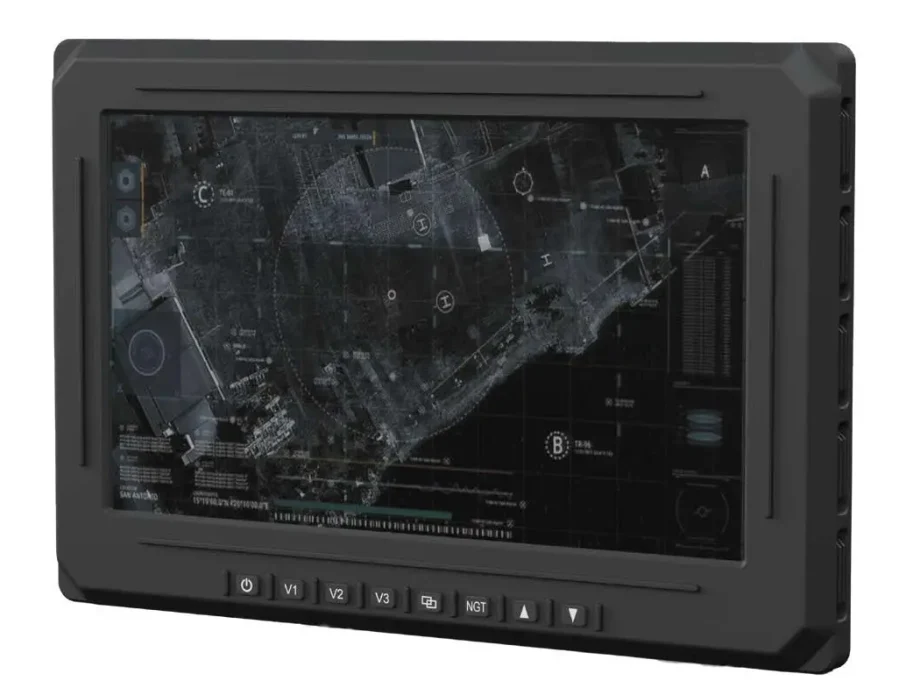
Demand for rugged displays comes from several directions. Industrial and field service technicians need tablets that survive being dropped from a ladder. Military contractors need devices that function in sand, mud, and freezing cold.
Outdoor enthusiasts want smartwatches and phones that can handle a fall onto rock without cracking. This demand has pushed manufacturers to treat toughness not as a bonus feature but as a core design requirement from the earliest stages of product development.
Beyond Gorilla Glass: Competing Materials
Corning no longer has the durable glass market to itself. AGC, a Japanese glass manufacturer, produces Dragontrail, a chemically strengthened glass used in devices from companies like ASUS and Sharp.
Schott, a German glass company with roots stretching back over a century, offers Xensation as its own answer to the same engineering challenge. Chinese manufacturer Lens Technology produces Panda Glass, which has found its way into budget and mid range devices where cost matters as much as performance.
Beyond aluminosilicate glass entirely, some manufacturers have experimented with sapphire crystal, a synthetic form of the mineral corundum. Sapphire ranks extremely high on the Mohs hardness scale, making it nearly impervious to scratches from keys, sand, or other everyday abrasives.
However, sapphire carries significant drawbacks. It is expensive to produce in large sheets, heavier than glass, and more prone to shattering on impact despite its scratch resistance. These trade offs have largely confined sapphire to smartwatch faces and camera lens covers rather than full smartphone screens.
More recently, Samsung introduced a glass ceramic hybrid material marketed as Armor Aluminum and Armor glass, blending traditional glass chemistry with ceramic reinforcement to improve both scratch and drop resistance simultaneously, an approach that reflects a broader industry trend toward hybrid materials rather than single element solutions.
The Role of Layered Engineering
Toughness is not just about the glass itself. Modern screens are built from multiple layers working together, each contributing to the overall durability of the device. An oleophobic coating sits atop the glass to resist fingerprints and smudges while also reducing surface friction that can contribute to scratching.
Anti reflective coatings improve visibility in bright light without compromising strength. Beneath the visible surface, adhesive bonding layers connect the glass to the display panel in ways that help absorb and distribute shock rather than letting it concentrate at a single point of impact.
Foldable devices have introduced an entirely new durability challenge. Because the screen must bend without cracking, traditional rigid glass will not work. Manufacturers have developed ultra thin glass, sometimes abbreviated UTG, which measures a fraction of a millimeter in thickness yet retains enough structural integrity to function as a protective surface.
This glass is typically paired with a flexible polymer coating to prevent creasing and improve scratch resistance, since thin glass alone remains more vulnerable to punctures from sharp objects like fingernails.
Lamination techniques also play a quiet but critical role. By bonding the display layers directly together rather than leaving air gaps, manufacturers reduce the internal stress that occurs during a drop, allowing the shock to disperse across a wider area instead of concentrating at the point of impact.
The Physics of Toughness: Scratch Resistance vs Shatter Resistance
One of the more counterintuitive aspects of display engineering is the trade off between scratch resistance and shatter resistance. Materials that are extremely hard, like sapphire, resist scratching exceptionally well but tend to be more brittle, meaning they crack more easily under sudden impact.
Softer materials can flex slightly under stress, absorbing energy rather than fracturing, but they are more susceptible to visible scratching over time.
This is where the concept of compressive stress becomes essential. The ion exchange process used in Gorilla Glass and its competitors does not make the glass harder in the traditional sense. Instead, it creates a layer of compression at the surface that resists the formation of the microscopic cracks that lead to breakage.
When an impact occurs, the compressive layer works to keep those cracks from propagating deeper into the glass, effectively containing the damage. Engineers must constantly balance the depth and intensity of this compressive layer against the glass’s overall flexibility, since pushing too far in one direction can compromise performance in the other.
What’s Next in Display Materials
Research into next generation display materials continues to accelerate. Scientists have experimented with diamond-like carbon coatings, ultra thin films that mimic some of diamond’s hardness properties without the cost or weight of true diamond or sapphire. Early results suggest these coatings could significantly improve scratch resistance when applied over standard glass substrates.
Self healing polymers represent another promising direction, particularly for the back panels and frames of devices rather than the display itself. These materials can repair minor scratches when exposed to heat, extending the cosmetic life of a device even if the coating does not restore structural strength.
Graphene reinforced glass is also generating interest in research labs. Graphene’s exceptional strength to weight ratio, combined with its flexibility, could theoretically produce glass that is both thinner and tougher than current formulations, though commercial applications remain in early stages.
Sustainability is increasingly part of the conversation as well. Manufacturers are exploring recycled glass content and lower temperature manufacturing processes to reduce the carbon footprint of display production, recognizing that durability improvements mean little if the environmental cost of manufacturing continues to climb unchecked.
The materials behind ultra tough screens have quietly transformed from a niche engineering concern into one of the most competitive and closely watched areas of consumer technology, a trajectory that shows no signs of slowing down.
Read Next
HDR400: Understanding Entry-Level HDR Display Technology
LG UltraGear 24GQ50F-B Review: 1920×1080 165Hz 1ms MBR FreeSync Premium; Essential Features Without Breaking the Bank

Asus TUF Gaming VG289Q1A Review: A Budget-Friendly 4K Monitor for Gamers and Content Creators
HDR True Black 400, 500, 600: New Era of Darker Blacks in Display Technology
Samsung Odyssey OLED G8/G80SD S32DG80 Review: 4K 240Hz 0.03ms; Ultra-Sharp Masterpiece for Gamers
WQHD vs QHD – Understanding the Differences and Choosing the Right Resolution
HD vs HDR: Differences and Benefits
MLA OLED: Brighter Displays with Micro Lens Array

144Hz vs 240Hz: Which Refresh Rate Actually Matters?
Dell G2422HS Review: 165Hz 1ms 1920 x 1080 IPS; Budget Gamer’s Delight
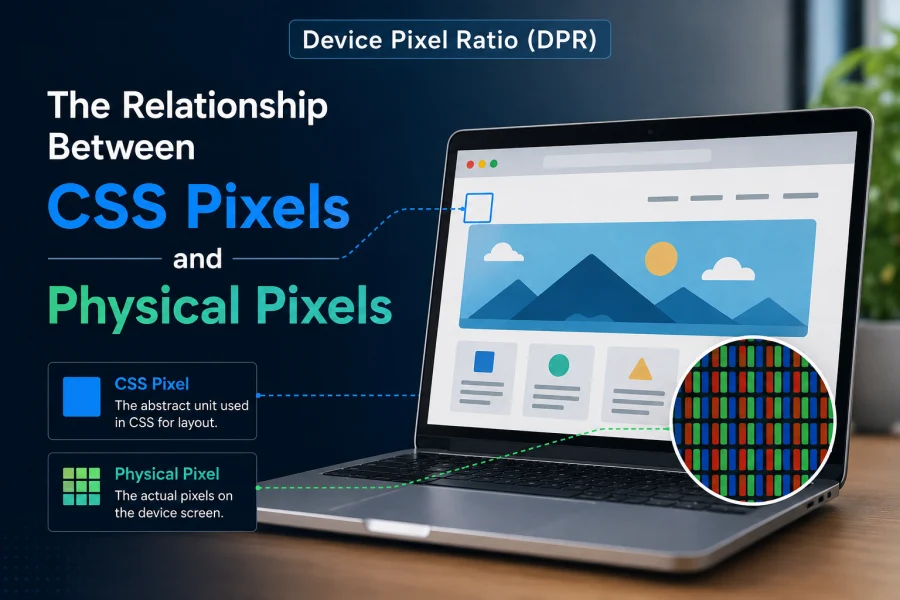
Device Pixel Ratio (DPR): The Relationship Between CSS Pixels and Physical Pixels
UHD vs. QHD: Which Resolution Is Right for You?

Hybrid Log–Gamma (HLG): Combining SDR and HDR